The SaaS Website Design Framework That Converts at 8%+ in 2026
Most SaaS websites convert at 1-3%. Here's the exact page architecture and psychological triggers we use to build websites that convert at 8%+ this year.
Shaik Saif
Founder & Lead Frontend Architect
TL;DR
- The average SaaS website converts at 2.1%; elite sites convert at 8-12%.
- Stop building brochure websites; frame your site as a sales conversation.
- The 7-section framework: Promise Hero, Trust Anchors, Problem Amplification, Solution Theatre, Social Proof Wall, Anchored Pricing, Risk Reversal CTA.
- Ensure every feature is tied to an explicit business outcome.
- Conversion Rate Optimization (CRO) is the highest ROI lever for SaaS growth.
The average SaaS website converts at 2.1%. The top 25% convert at roughly 5.31%. Yet, our agency clients consistently land between 7-12% conversion rates on highly qualified traffic. The difference isn't a massive advertising budget or a complex marketing stack — it's the underlying page architecture.
As we head deep into 2026, user attention spans are lower, and skepticism is higher. Building a high-converting B2B SaaS website requires ruthless clarity over cleverness.
The Problem with Most SaaS Websites
Most SaaS websites are built like static brochures. They lazily explain features ("AI-powered analytics dashboard"), list pricing tiers, and hope the visitor will magically figure out why they should care. This is a massive failure of Conversion Rate Optimization (CRO).
High-converting SaaS websites, by contrast, are orchestrated like expert sales conversations — they lead with the specific outcome, visibly prove that they understand the user's pain better than anyone else, and then mathematically make the next step feel obvious and totally risk-free.
The 7-Section SaaS Page Architecture
Section 1 — The Promise Hero: Lead with the outcome, not the feature itself. "Reduce churn by 40% in 30 days" dramatically beats "Intelligent retention tracking software." The hero is responsible for 80% of the cognitive lifting on the page.
Section 2 — Trust Anchors: Logos of known clients, quantified user numbers, or named awards. These must be placed visibly within 200px of the primary hero CTA button so users implicitly trust the click.
Section 3 — Problem Amplification: Describe the pain in the exact exact words your Ideal Customer Profile (ICP) uses. This is where most SaaS sites skip ahead. You must validate the pain before offering the cure.
Section 4 — Solution Theatre: Show, don't just tell. Embed interactive product screenshots, localized sandbox demos, or highly polished 15-second screen recordings. B2B buyers in 2026 want to see the UI immediately.
Section 5 — Social Proof Wall: Feature three rich testimonials minimum, each addressing a distinctly different buying objection (e.g., objection to price, fear of onboarding complexity, skepticism of actual results).
Section 6 — Anchored Pricing: Display clear pricing with a distinctly recommended tier visually highlighted. Provide an annual toggle to emphasize absolute savings.
Section 7 — The Risk Reversal CTA: Conclude the page with a call to action framed as utterly risk-free. "Start your 14-day trial — absolutely no credit card required."
The SaaS Copywriting Formula That Matters
For absolutely every feature you want to mention on the page, you must be able to complete this specific sentence structure: *"This feature means you can [Business Outcome] without [The specific thing they hate doing]."*
That is the heart of benefit-driven copy. Everything else is ultimately just noise that delays the user from booking a demo or starting a trial. Pair this framework with our [B2B Lead Generation Playbook](/blog/b2b-lead-generation-tactics-2026) to see compounding pipeline growth.
Frequently Asked Questions
Frequently Asked Questions
What is a good conversion rate for a B2B SaaS website in 2026?
Industry benchmarks for 2026: The bottom 25% of SaaS sites convert under 1%. The average is roughly 2.1%. The top 25% convert at 5.31%. Elite performers achieve 8-15%. Significant structural changes can often double conversion rates without adding new traffic.
How long should a SaaS landing page be?
Shorter is generally better for simple, self-serve, low-cost tools (under $50/mo). Longer, more explanatory pages work substantially better for complex, high-ticket products ($300+/mo) where buyers have high friction and numerous objections that must be addressed.
Should SaaS websites have pricing directly on the home page?
Yes, for self-serve or product-led growth (PLG) SaaS products. Hiding pricing generates friction. However, for high-ACV enterprise SaaS platforms with customized service levels, utilizing a dedicated pricing page with a "Contact Sales" wall is the accepted standard.
What is Solution Theatre in website design?
Solution Theatre is the practice of visually demonstrating the software in action using polished UI mockups, interactive sandboxes, or short video loops instead of relying on text to describe features. It proves the product exists and looks premium.
Why is a Risk Reversal CTA important?
A Risk Reversal CTA (like "No credit card required" or "30-day money-back guarantee") eliminates the final micro-objections a prospect has before clicking. It shifts the burden of risk from the buyer to the seller, mathematically increasing click-through rates.
What does ICP stand for?
ICP stands for Ideal Customer Profile. It defines the exact type of company or buyer that gets the most value from your SaaS product, including their vertical, company size, budget, and specific pain points. All website copy should speak directly to the ICP.
Written by
Shaik Saif
Founder & Lead Frontend Architect
Shaik Saif is a full-stack product engineer and founder with 8+ years of experience building high-converting SaaS marketing websites and scalable MVPs for founders across the US, UK, and Dubai. He has shipped 40+ products and written extensively on conversion-first development.
Keep Reading
Related Articles
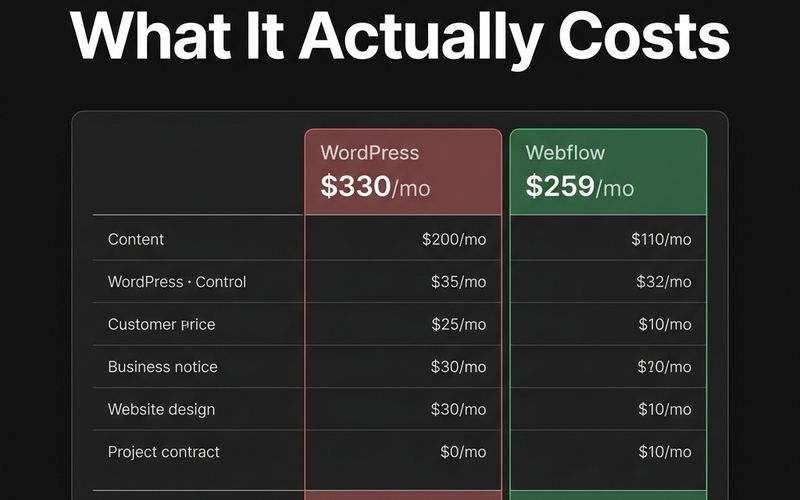
Cost of Moving from WordPress to Webflow in 2026
What does a WordPress to Webflow migration actually cost? A transparent breakdown by site size, complexity, and what drives pricing up or down.
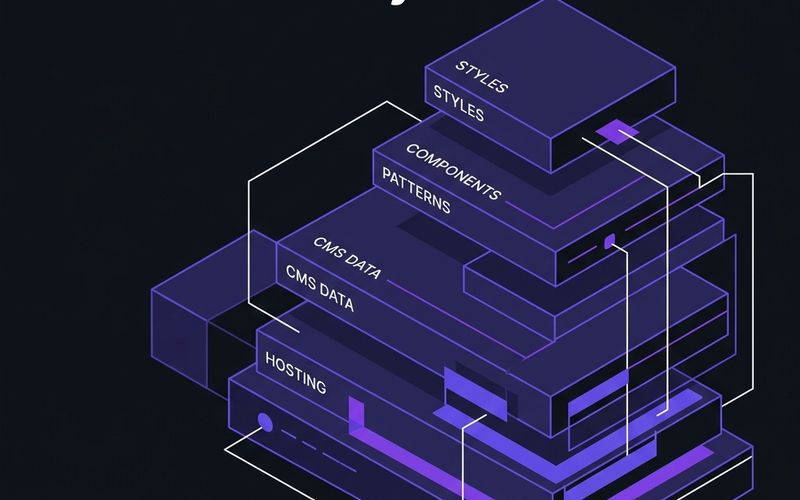
Webflow Enterprise: What You Get vs Standard Plans (2026)
Enterprise Webflow is more than a plan upgrade. Here's what enterprise-grade Webflow development actually involves — architecture, CMS governance, security, and team workflows.

Step-by-Step Guide to Building a SaaS App with Next.js in 2026
Building a SaaS app with Next.js in 2026 involves planning core features, selecting a tech stack, designing an intuitive interface, and testing before launch.