The Exact Conversion Rate Optimization (CRO) Checklist We Use for B2B Sites
Is your website a lead magnet or a leaky bucket? Use our agency's internal CRO checklist to find and fix the invisible friction killing your conversions.
Shaik Saif
Founder & Lead Frontend Architect
TL;DR
- The 5-Second Test: Your hero section must communicate value, target audience, and next steps instantly.
- Mobile First is Non-Negotiable: 60% of B2B research happens on mobile; load times over 2.5s kill conversion.
- Trust Architecture: Social proof must be placed near friction points (forms/pricing) to be effective.
- Micro-Copy Matters: "Contact Us" is not a CTA. Use value-driven, low-friction alternatives like "Get Free Audit".
- Internal Intent Linking: Guide users through the buyer journey with logical content bridges.
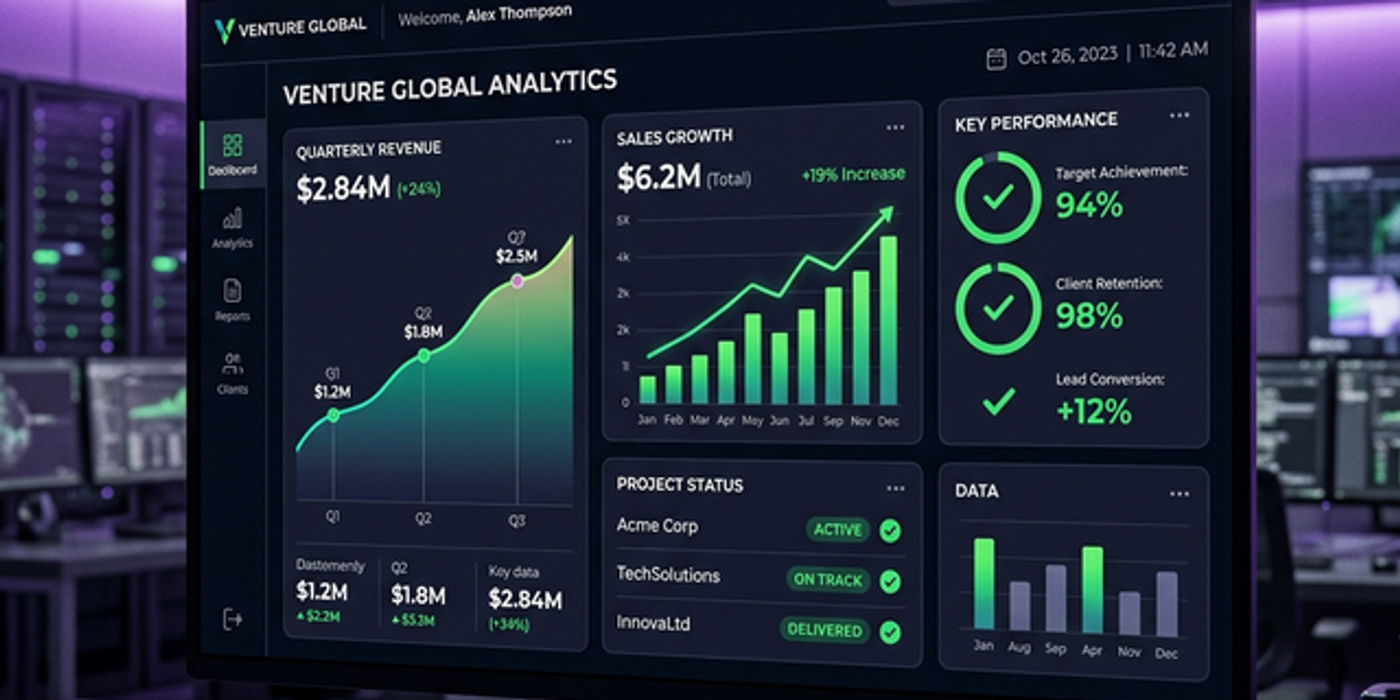
Most B2B founders believe they have a traffic problem. They pour thousands into Google Ads and LinkedIn campaigns, only to see a 0.5% conversion rate.
From our experience auditing over 100+ B2B domains, the problem is rarely traffic volume. It is conversion architecture.
1. The Hero Section: Passing the 5-Second Test
People don't read websites; they scan them. If a visitor can't answer these three questions in 5 seconds, you’ve lost them:
1. What do you do? 2. Who is it for? 3. What do I do next?
The "Architect" standard for hero sections uses a massive, bold H1 with a clear value proposition. Avoid vague taglines like "Innovating for the Future." Instead, use "We Build Market-Ready SaaS MVPs in 4 Weeks."
2. Speed & Performance: The Invisible Conversion Killer
In 2026, performance *is* UX. Google’s Core Web Vitals are now a primary conversion signal. If your site takes more than 3 seconds to load on specialized B2B mobile hardware, your bounce rate will spike by over 32%.
3. Trust Signals & Social Proof Hierarchy
Social proof (logos, testimonials, case studies) is often relegated to a single "Wall of Love." This is a mistake. To maximize CRO, you must place trust signals at points of friction.
4. CTA Architecture: From "Contact Us" to "Value Match"
Generic CTAs like "Contact Us" or "Submit" create cognitive friction. They imply a high-effort commitment from the user. Instead, use Value-Match CTAs that represent a logical next step in their research process.
Frequently Asked Questions
Frequently Asked Questions
What is a good conversion rate for a B2B website?
A healthy B2B website conversion rate typically ranges between 2% and 5%. High-performing sites often see 7-10% for specialized lead magnets.
Should I use a popup for conversion?
Yes, but only exit-intent popups. Interruptive popups that appear immediately upon entry frustrate users and hurt SEO.
How often should I run a CRO audit?
We recommend a deep CRO audit every 6 months. User behavior and AIO requirements shift rapidly.
Written by
Shaik Saif
Founder & Lead Frontend Architect
Shaik Saif is a full-stack product engineer and founder with 8+ years of experience building high-converting SaaS marketing websites and scalable MVPs for founders across the US, UK, and Dubai. He has shipped 40+ products and written extensively on conversion-first development.
Keep Reading
Related Articles
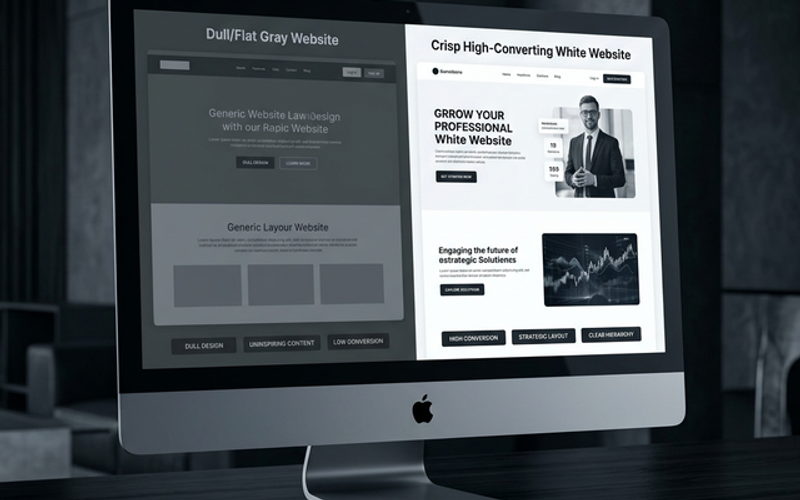
The B2B Website CRO Playbook: Turn 2026 Traffic Into Pipeline
You do not need more traffic — you need vastly better conversion. This is the exact 2026 CRO playbook we run for B2B client websites to double qualified leads without increasing ad spend.
Webflow CMS vs WordPress: A Practical Comparison for Agencies
Agencies choosing between Webflow CMS and WordPress for client sites face different trade-offs than individual businesses. Here's the agency-specific breakdown.
WordPress to Webflow Migration: The Complete 2026 Guide
Everything you need to migrate from WordPress to Webflow without losing a single Google ranking — process, costs, timeline, and pitfalls.